Sniff first. Then share.
When information looks confident, trust get slippery.
Information is everywhere. Too much of it, honestly. Finding related things to read isn’t the problem anymore. Figuring out which ones are actually trustworthy is.
We mostly skim. Headlines, carousels, neat summaries, a nice chart here, a quote there. Decisions happen fast. And whether we admit it or not, we judge credibility by appearances more often than we think. How polished it feels. How cool the layout is. How confidently the words line up. Presentation quietly steps in before accuracy even gets a chance to speak.
That’s the thing about design. It doesn’t just communicate information, it nudges it. It frames it and gives it posture. A clear grid, a calm color palette, a well-set typeface can make almost anything feel considered, even authoritative, even when the facts underneath are thin. Research has been pointing this out for years, though we tend to forget when something simply looks “right”. Which, of course, can be a powerful tool when used with care and intent.
Well, now add AI to the mix.
Text robots are built to sound convincing. Sometimes impressively so. They can summarize, connect dots, and move fast. But they can also fill in gaps with guesses and present assumptions as facts. That confidence isn’t intentional deception, it’s structural. Still, the effect is the same.
And confidence matters. Probably because that’s how we’re wired. Confident statements tend to land harder and stick longer. Pair that with familiar formats and polished visuals and suddenly questioning feels unnecessary.
For teams working with impact-driven ideas, this gets practical very quickly. What we choose to repost, reference, or even engage with, shapes which stories get oxygen. Visual credibility moves faster than verification ever will. That’s just the reality of the feed.
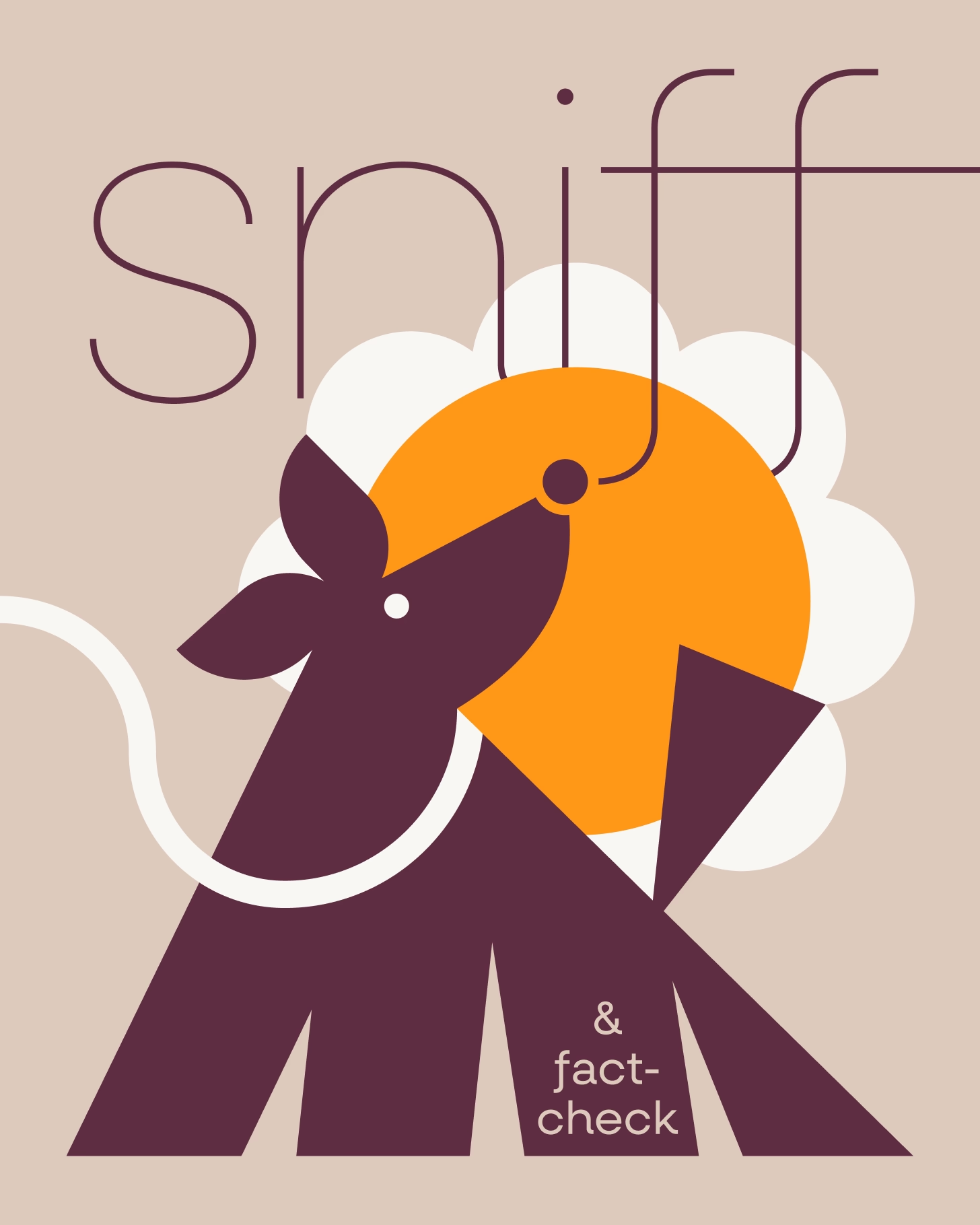
Fact-checking doesn’t need to turn into a performance. Most of the time all it requires is a “pause”. Click the source. Use a search engine. Ask where the claim came from. Or just use logic and doubt before hitting “share”, even if the message fits neatly with what you already believe.
And again, in a world full of well-dressed information, slowing down is just sensible. And an extra sniff.